The Forest School
The Forest School
Meghalaya · India
What to Expect & Preparation

Your journey into the forest

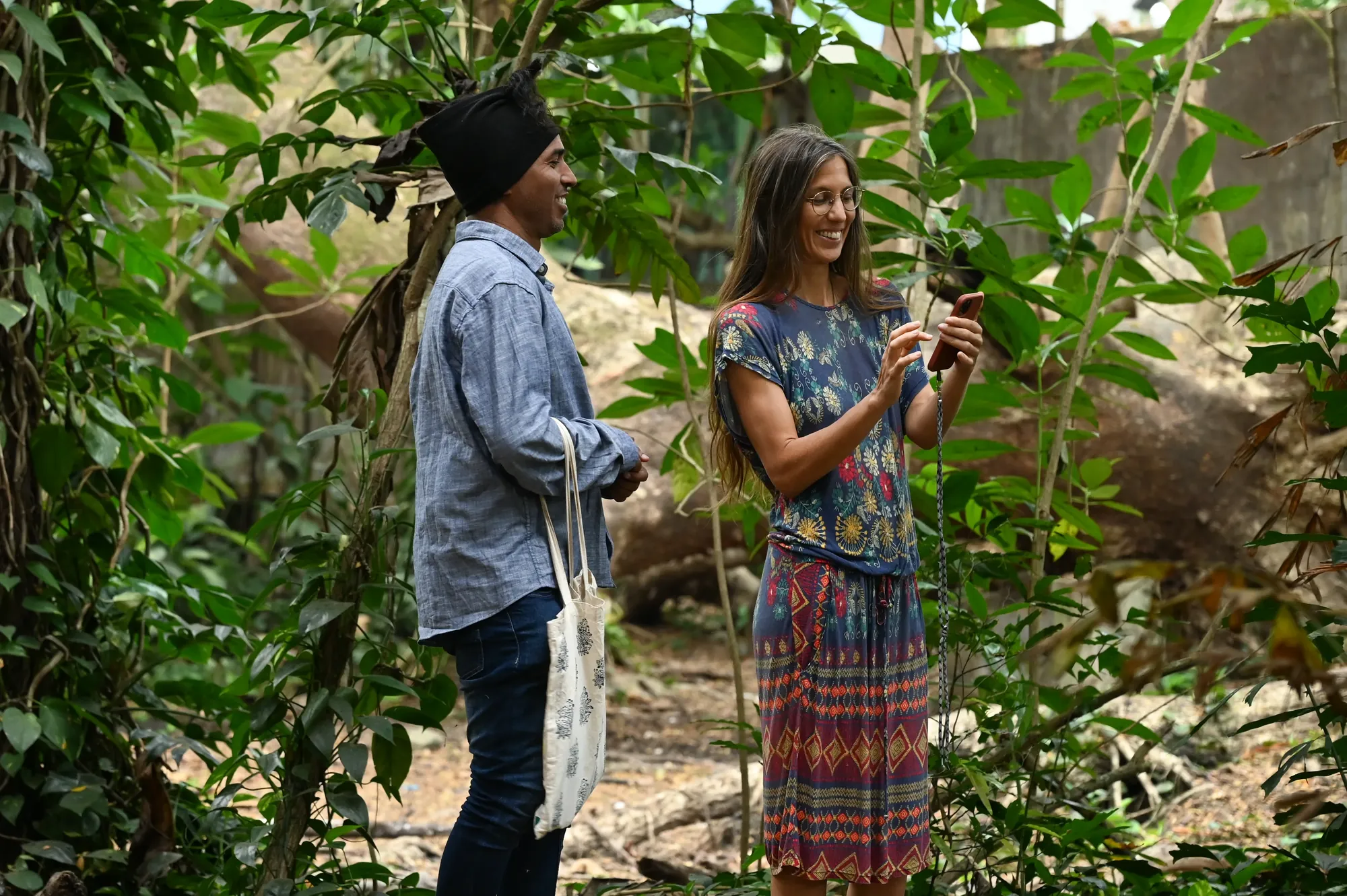
Stepping into The Forest School is an invitation to leave ‘clock time’ behind and drop into the older, slower rhythms of the natural world. Here is a glimpse of the sensory, immersive experience awaiting you in the hills of Meghalaya.

The daily rhythm

Morning

Grounding & Movement — communal circles, shared reflections, or quiet, mindful walks through the morning mist.
Mid-day

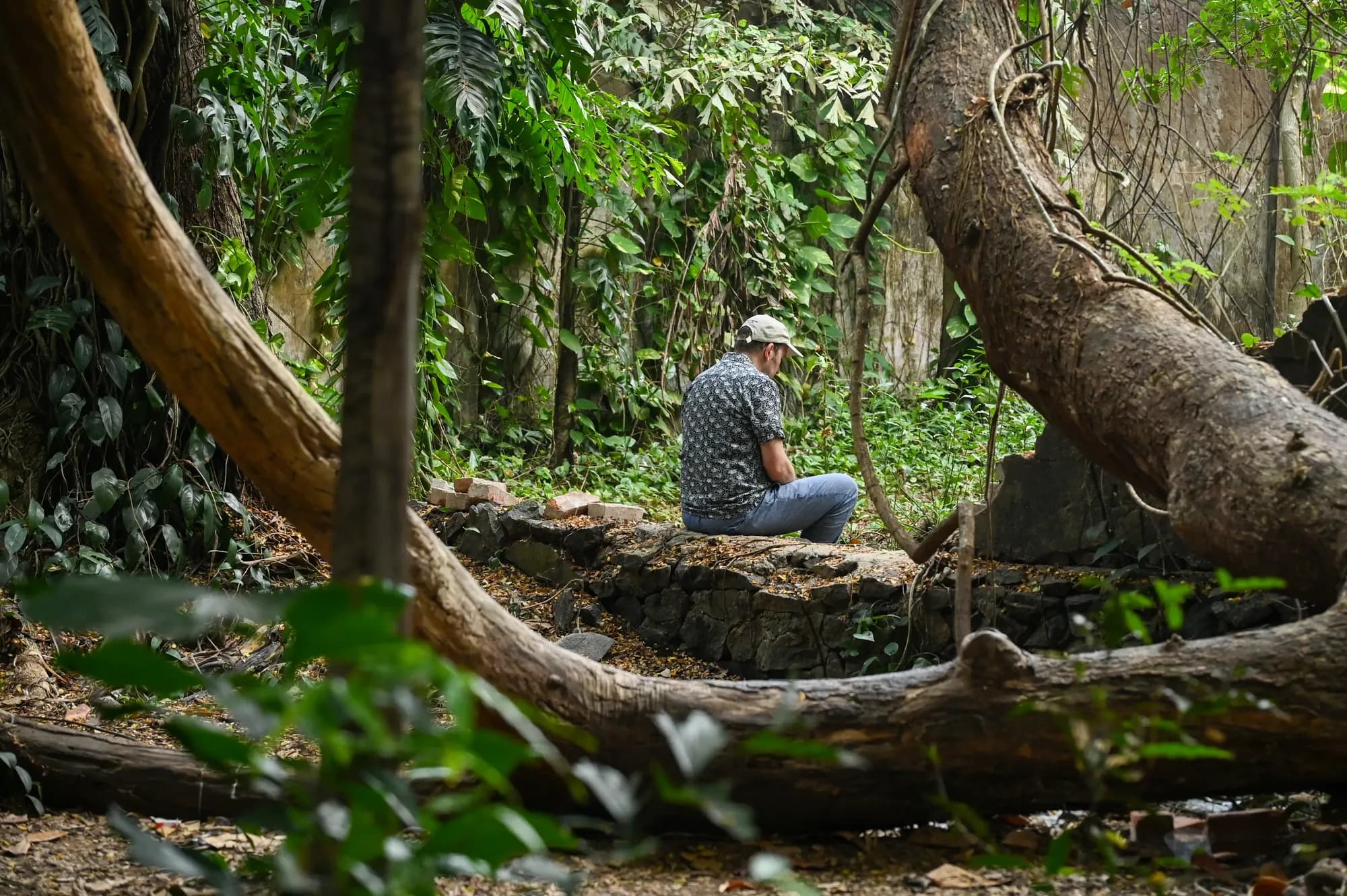
Hands-on Immersion — losing ourselves in tactile learning, from the art of bamboo building to sitting at the base of living root bridges.
Afternoon

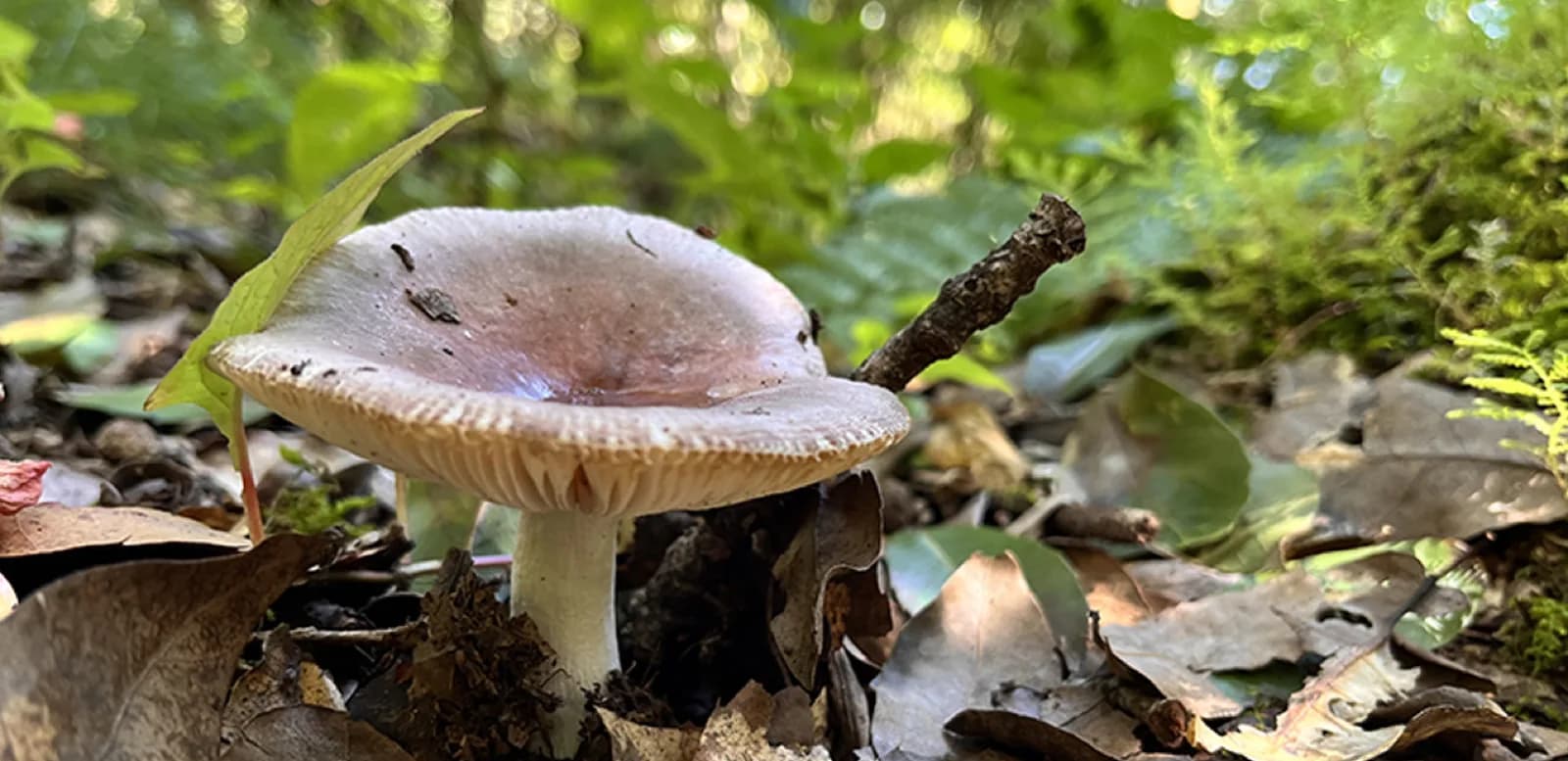
Skill-Sharing & Discovery — time spent foraging along forest paths, learning traditional arts, or practicing basic survival skills.
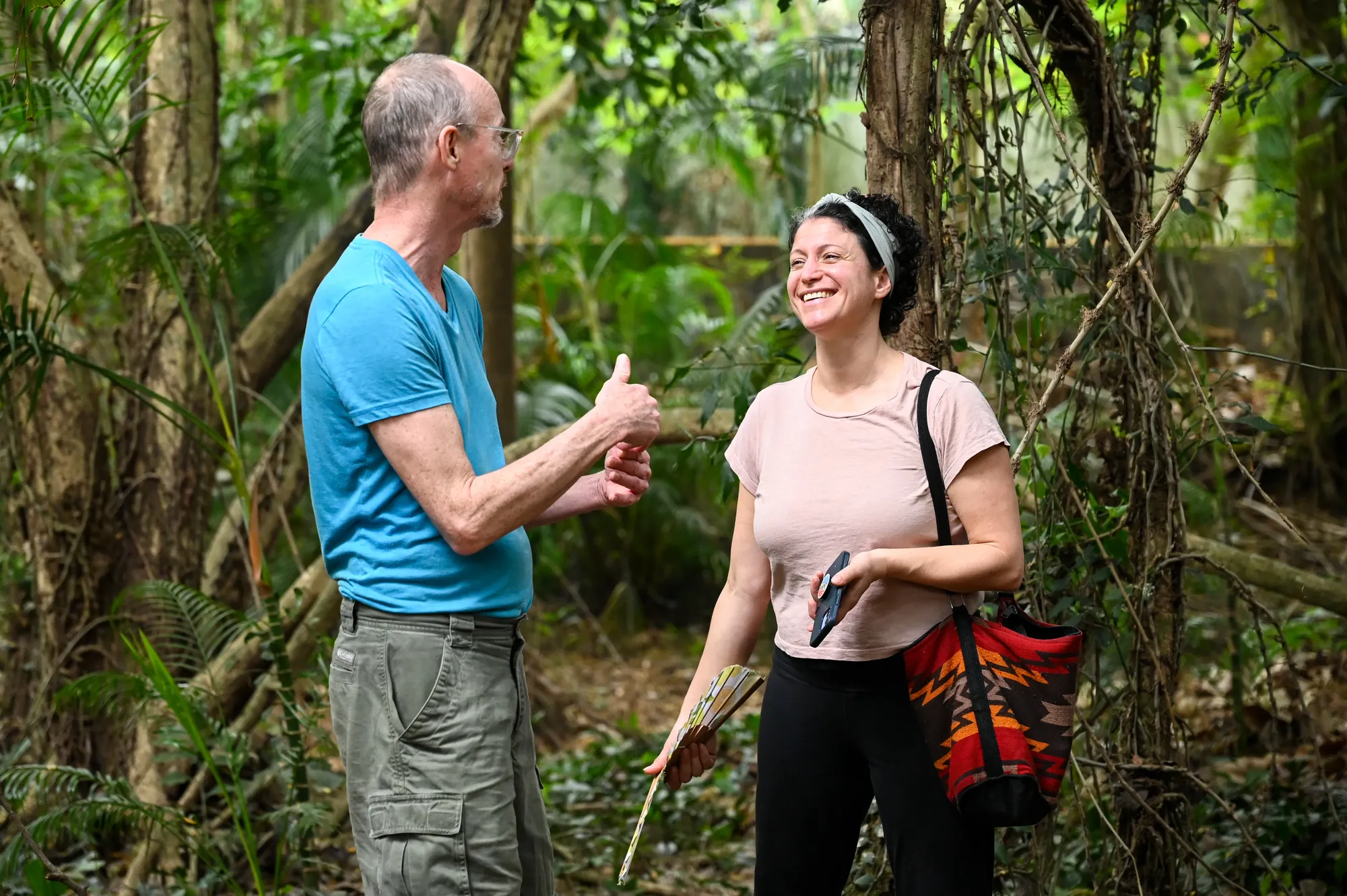
Evening

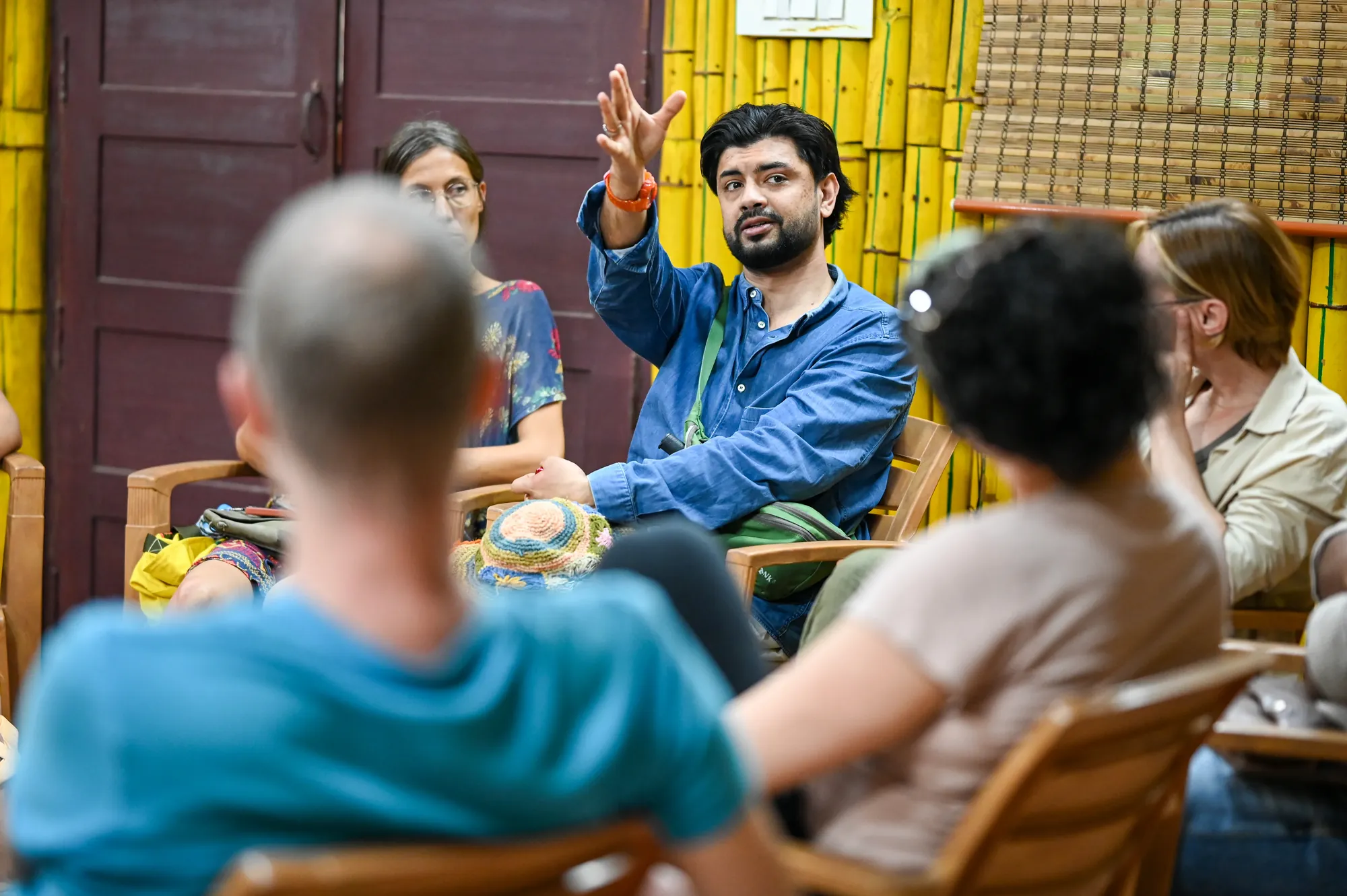
Storytelling & Connection — gathering close around the warmth of the fire for oral traditions, cooperative cooking, and shared, slow meals.

Living & accommodations
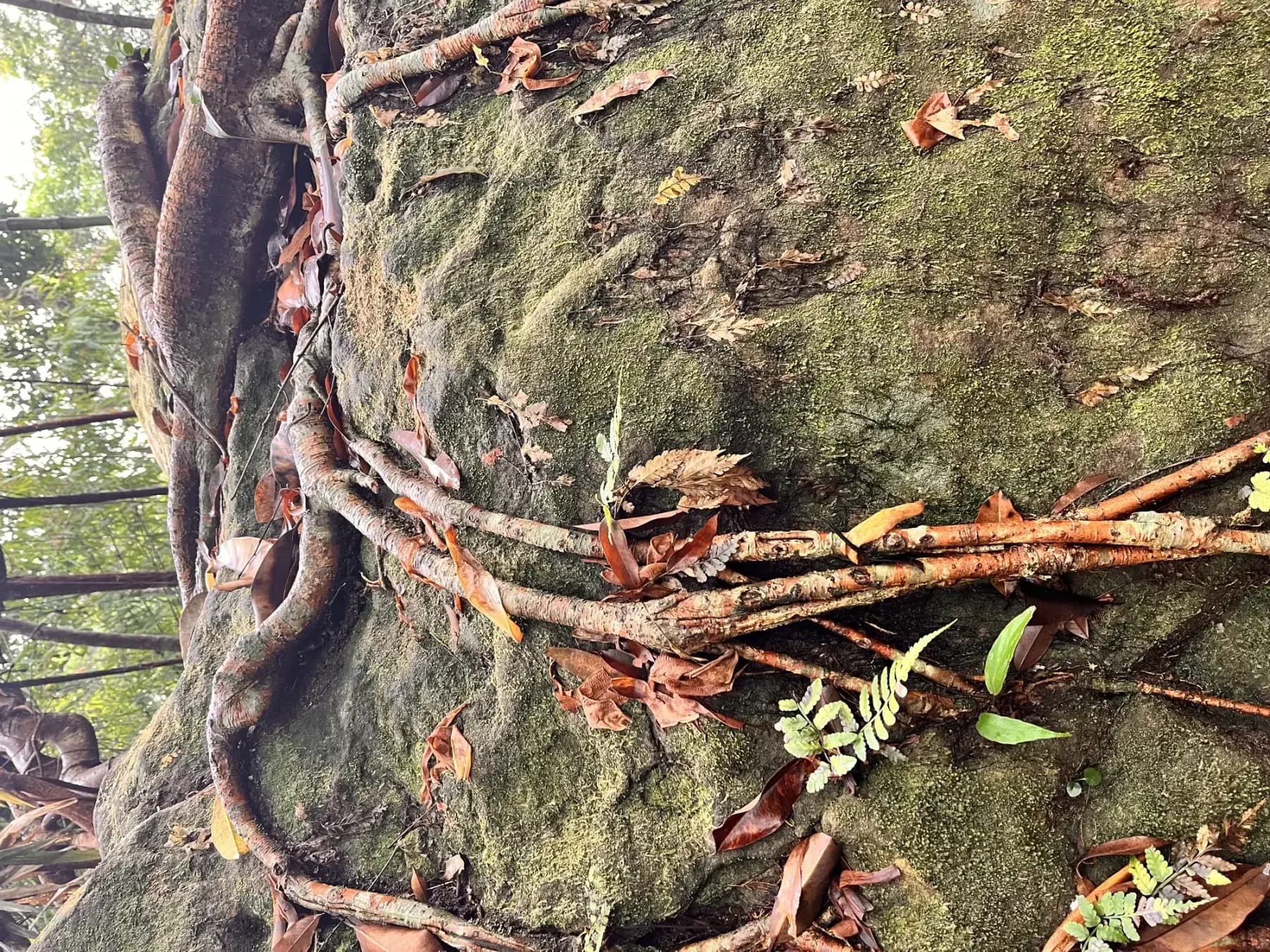
Home-Stays

Sleeping in traditional village dwellings or shared community camps designed to leave a minimal, gentle footprint on the earth.
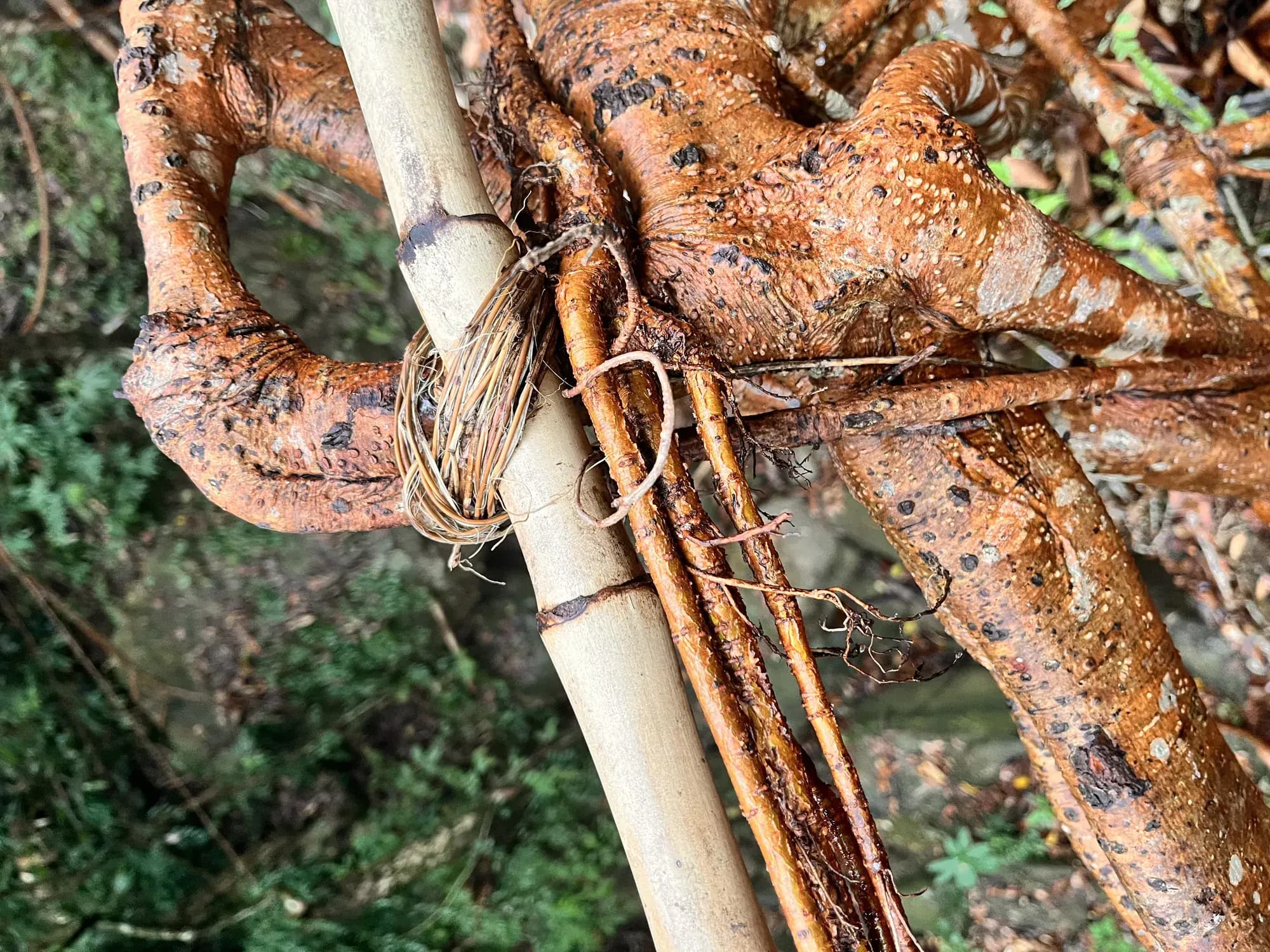
Communal Living

Sharing the daily responsibilities of meals, firewood, and site care, breathing life into the truth of ‘I am because we are.’
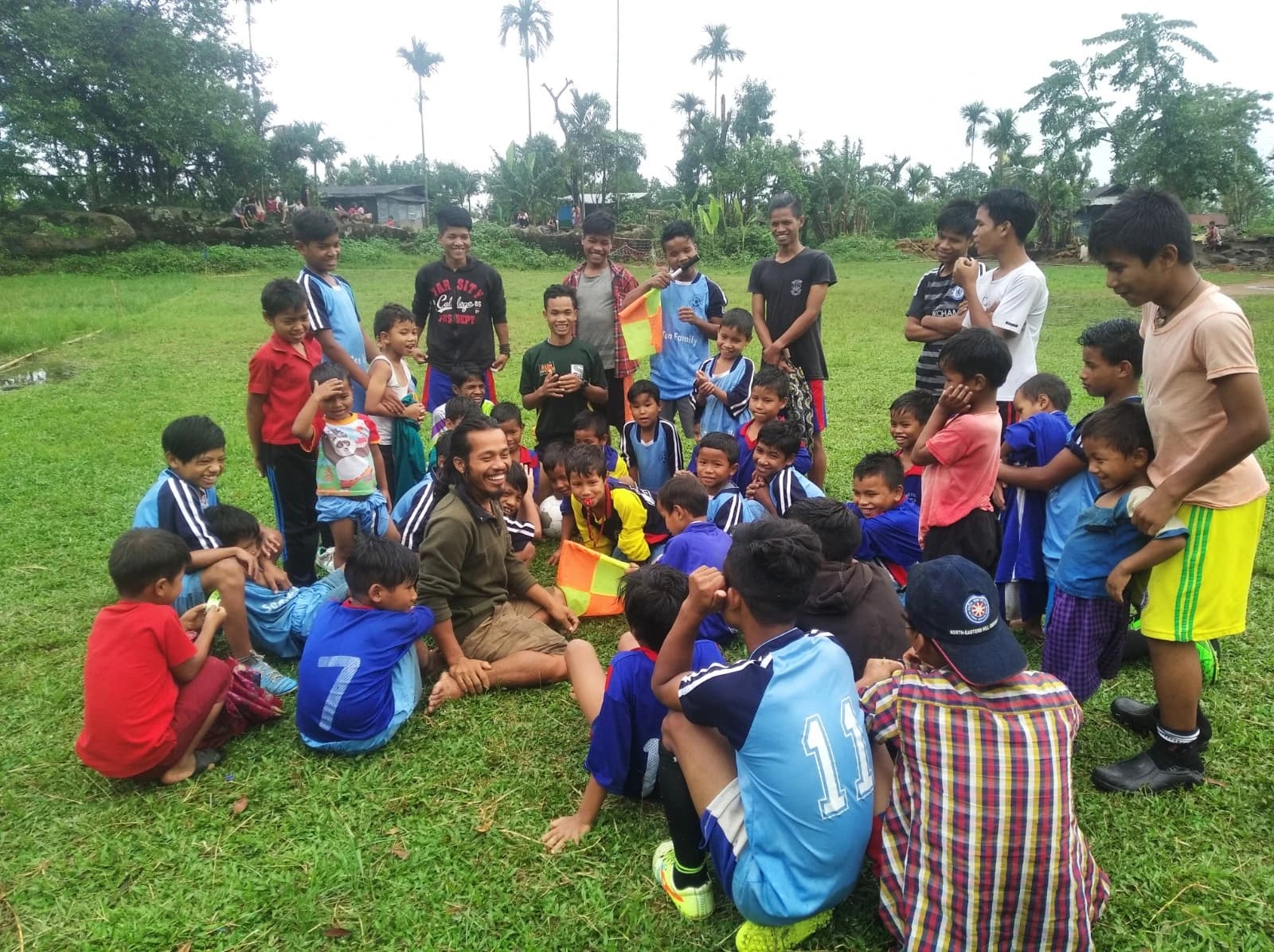
Digital Detox

Stepping away from screens and limited connectivity to invite deep listening, sensory awareness, and genuine presence.

Environment & Physicality

Meghalaya’s terrain is breathtakingly beautiful, yet rugged and demanding. Prepare to walk on uneven, muddy trails, climb slick stones, and engage your body fully with the weather and the landscape. While we hold your safety and comfort with care, expect a true, unshielded immersion into the vibrant, unpredictable spirit of the forest.

Preparation

Packing for the East Khasi Hills

The terrain is beautiful but demanding, especially during the monsoon. Pack light, durable, and weather-appropriate gear so you can focus on co-learning and co-creation.

Essential Gear

  • Footwear. Sturdy, waterproof hiking boots with excellent grip — essential for slippery root bridges and forest trails. Consider strapped sandals for use within the village.
  • Rain Protection. A high-quality, breathable raincoat or poncho. The Meghalayan monsoon is powerful; an umbrella is often insufficient for forest treks.
  • Backpack. A waterproof daypack (20–30L) to carry your research tools, water, and rain gear during field trips.

Clothing — The Layering System

  • Quick-Dry Fabrics. Avoid heavy denim. Choose lightweight, moisture-wicking trousers and shirts that dry quickly in high humidity.
  • Warmth. Even in summer, evenings in the hills can be cool. Pack one warm fleece or a light insulated jacket.
  • Cultural Respect. While in the village, please dress modestly to respect local Khasi customs.

Learning & Research Tools

  • Analog Tools. A durable notebook and pens for field notes, sketching, and reflecting on regenerative design.
  • Documentation. Camera, sound recorders or smartphone for capturing your experiences, along with a waterproof dry-bag to protect them.
  • Power. A high-capacity power bank — electricity in remote villages can be intermittent.

Health & Personal Care

  • Eco-Friendly Toiletries. To protect the local water systems, please bring biodegradable soap, shampoo, and toothpaste.
  • Protection. High-strength insect repellent (specifically for leeches and mosquitoes) and reef-safe sunscreen.
  • Hydration. A reusable water bottle (at least 1L). We will provide filtered water at the base.

Beyond physical gear, we ask that you bring an open mind and a spirit of receptivity. The Forest School is an immersive experience where the most important ‘tool’ you carry is your willingness to engage with the language of place.